
Plan your project
What paint finish works for a kitchen or bathroom?
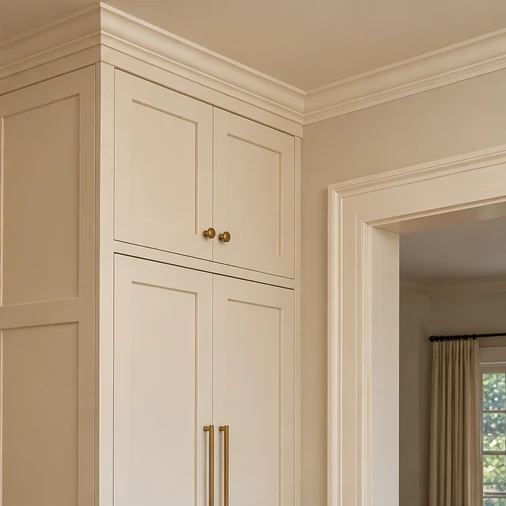
Choose a coating suited to the surface and the room’s cleaning and moisture exposure. Compare labeled product guidance and a dried sample in your own light before choosing paint for walls, trim or cabinetry.
What to review before work begins
Coordinate wall color, trim and cabinetry finishes with room use and preparation. Take photos of the area and note which fixtures, surfaces and appliances you intend to keep. If you have drawings or product specifications, bring them to the discussion so sizes and installation requirements are available together.
Identify the surface
List existing surfaces that will remain, such as drywall, wood trim and cabinet doors. Ask which preparation tasks are included and what repairs could change the scope. A coating system should suit the material left in place and how that area is used.
Compare the samples
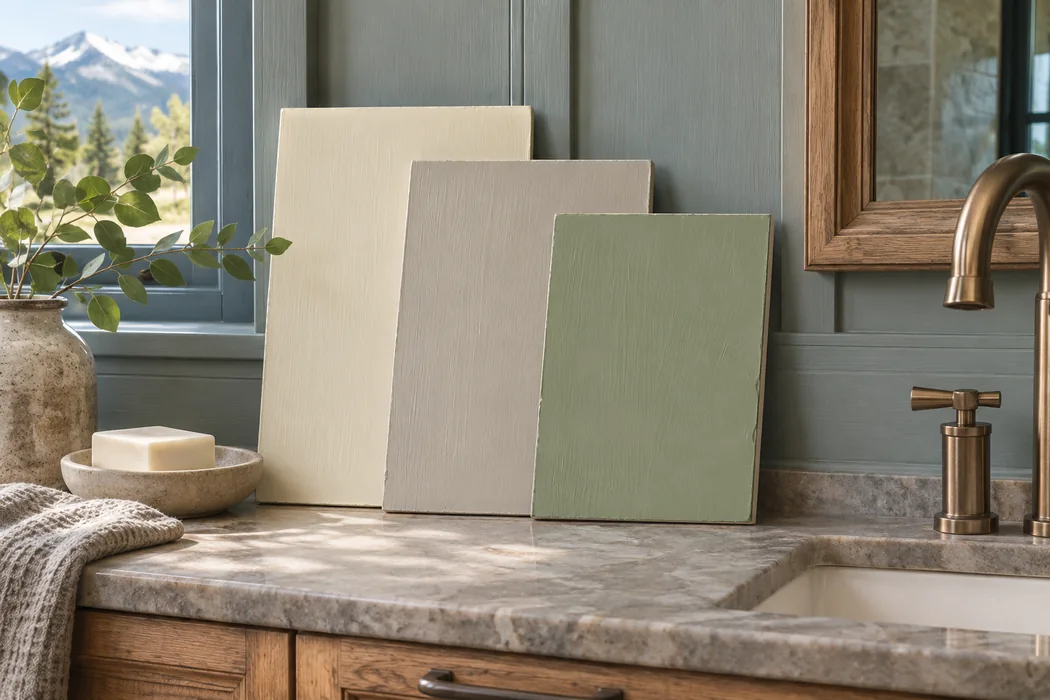
Place a finish sample near the counter, cabinets or tile and check it at different hours. Consider the difference between a washable wall finish and a coating designed for hard-use cabinet surfaces. Ask about the interval before the painted surface can be cleaned or used normally.
Sequence the last details
Coordinate trim, caulk, final painting and hardware installation with flooring and other finishes. Discuss how surrounding surfaces are protected and what is included in the final walkthrough. Keep the names and finish specifications of selected products for future touch-ups.
Match the finish plan to what will stay
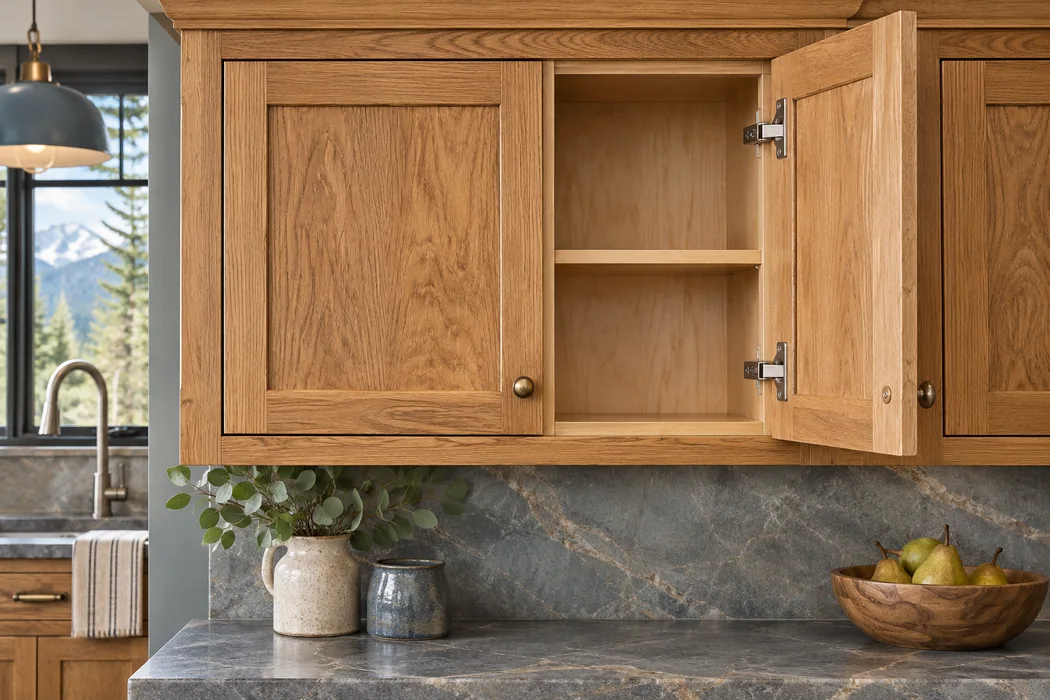
Bring the existing trim, tile and cabinet colors into the conversation if they will remain after work. Look at a dried sample on the intended plane and compare it during daylight and with the room’s main fixtures on. Different sheen levels can change the way a color reads and how visible repairs or texture will be. Ask how transitions will be handled where finishes meet. Clarify whether details such as patching, caulking, doors, inside drawer surfaces or hardware removal are included. In a kitchen, cabinet pulls and frequently touched edges can need different preparation from a wall. In a bathroom, the coating should fit the expected moisture conditions and the material underneath. Confirm when the finish can be handled, cleaned and put back into regular use.
Compare the work in writing
Ask how the scope accounts for the surfaces that remain and where new work meets them. A written estimate should make it possible to identify the selected products, preparation, removal and finish work. If an item depends on field measurements or concealed conditions, ask when it will be confirmed and what approval is needed before the scope changes.
Plan the construction window around the room you still need to use. Decide where items will be stored, how the work area can be accessed and when you need a usable sink, toilet or cooking surface. Share those constraints when you first call so they can be considered as part of the plan.
Questions about your remodel
What paint finish works for a kitchen or bathroom?+
Choose a coating suited to the surface and the room’s cleaning and moisture exposure. Compare labeled product guidance and a dried sample in your own light before choosing paint for walls, trim or cabinetry.
How do I confirm you serve my address?+
Call (719) 223-5519 with your project address or ZIP code and the work you have in mind. The Castle Rock office can confirm coverage for your specific property.
Should bathroom paint be satin or semi-gloss?+
A washable satin formulated for bathrooms is a practical wall finish. Semi-gloss has a brighter reflection and can be useful on trim. Check the product’s intended use and test it under the vanity lighting before choosing the sheen. Benjamin Moore kitchen and bath finish.
Should I use satin or semi-gloss in my kitchen?+
Satin often works well on kitchen walls when you want a washable surface with a softer reflection. Semi-gloss can suit doors and trim that need frequent wiping. Compare samples beside the counter and backsplash, where light can make the difference in sheen more visible. Benjamin Moore kitchen and bath finish.
Why does the paint keep peeling off my bathroom ceiling?+
Repeated moisture can weaken the bond between paint and the ceiling. Look for lingering condensation, a leak above the room or a previous coat that never bonded. Resolve the moisture source before preparing the surface for a new finish. Sherwin-Williams guide to moisture-related peeling.
Does peeling paint in the bathroom mean mold?+
Peeling paint alone does not establish that mold is present. Moisture or poor adhesion can lift paint without visible growth. Check for a leak or persistent condensation and have recurring dampness investigated before refinishing. Sherwin-Williams guide to moisture-related peeling.